THE CONCERN
There's no way clinical sites are actually processing samples with TokuKit. Only specialized or tertiary labs can pull it off. Smaller hospitals would struggle to adopt it.
See how translational scientists running global trials reduce site-to-site variability through training, monitoring, and rapid communication.
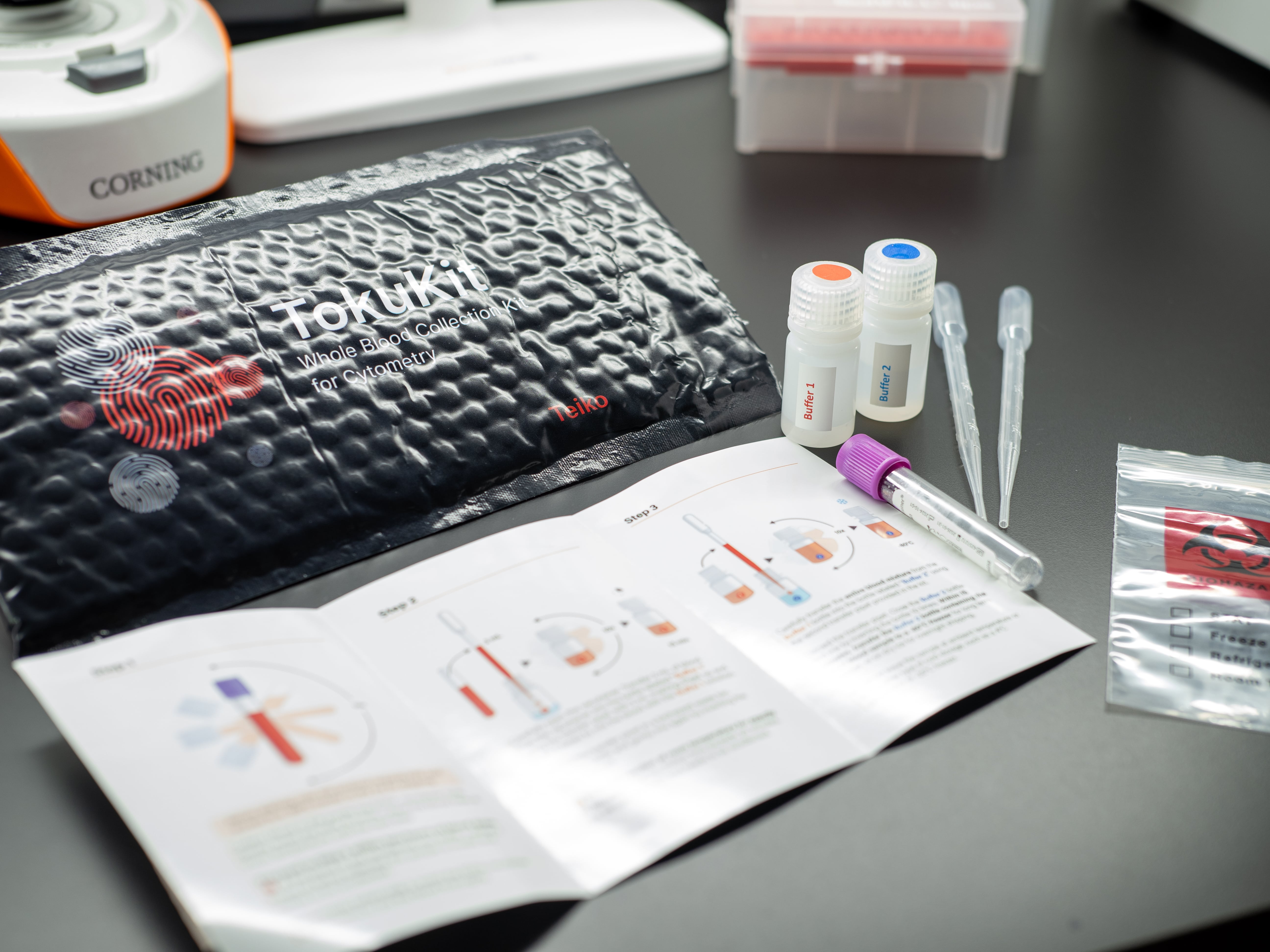
TokuKits shipped to sites and distribution partners
Used at busy trial sites, medical centers, hospitals
TokuKit runs across medical centers, community hospitals, and research sites. Trusted by $B+ sponsors and large-scale CROs.
TokuKit fits the workflows sites already use for PK safety samples, and it's simpler.
THE CONCERN
There's no way clinical sites are actually processing samples with TokuKit. Only specialized or tertiary labs can pull it off. Smaller hospitals would struggle to adopt it.
THE REALITY
Any Phase 1/2 site already runs PK safety samples. TokuKit is the same skillset on a simpler protocol: no centrifuge.
TokuKit Blood draw → Transfer → Incubate → Ship on ice
PK sample Blood draw → Centrifuge → Aliquot → Ship on ice
Used today across Phase 1 & 2 trials at academic centers, community hospitals, and private practices, handled by phlebotomists, nurses, CRCs, or research assistants.
The practices below come from translational scientists currently running global trials.
Make sure your sites have access to -80°C freezer or dry ice.
Make sure the TokuKit manual is correctly inserted into your official lab manual, with other protocols.
Organize a meeting with your sites, Teiko and (possibly) your CRO to make sure all process steps for collection are clearly understood. Specifically, include details of collection, handling and storage at -80°C in site initiation visit slides.
Use the first patient visit (i.e. Cycle 1, Day 1) to reinforce training prior to collecting the first sample. Inspect any deviations from protocol. Retraining can happen through regularly scheduled investigator or cohort management meetings.
When the sponsor identifies a problem at one site, the fix is shared across all sites and trials. Example: a -80°C storage deviation caught at one site triggered reminders to all sites within 48 hours. Teiko can support cross-site communication when needed.
Missed samples and incorrect storage events are tracked with root cause analysis. Sites with recurring patterns receive additional training with Teiko and (possibly) your CRO.
We can walk you through how current sponsors have integrated TokuKit into their existing site operations across the EU, US, and Asia Pacific.
Book a call